CBD topicals have become one of the most diverse categories in the hemp wellness market. Consumers can now choose from lotions, creams, balms, salves, roll-ons, and gels containing a wide range of cannabinoid concentrations.
One area receiving particular attention is the use of topical products for localized discomfort. People dealing with uncomfortable sensations in their feet, hands, legs, and other areas often prefer products that can be applied directly where they’re needed.
That has contributed to growing interest in CBD creams designed specifically for localized application.


Why Use CBD Topically?
CBD can be consumed orally, but topical products offer a fundamentally different experience.
Instead of swallowing a capsule or using a tincture, a cream can be massaged directly into a particular area of the skin. For someone primarily interested in localized comfort, this can be a convenient addition to an everyday wellness routine.
Topicals can also contain ingredients that create warming or cooling sensations, giving users immediate sensory feedback following application.
Research involving topical CBD is still developing, however. Consumers should be cautious about interpreting preliminary research as proof that CBD can treat a specific medical condition.
See also: Discover Safe, Sustainable Power with Purple’s silly dots hero dose Mushroom Innovations
Why Nerve Discomfort Is Different
Nerve-related discomfort isn’t always experienced in the same way as ordinary muscle soreness.
People may describe sensations such as tingling, burning, sensitivity, numbness, or intermittent discomfort. These symptoms can have many different underlying causes.
That distinction is important when researching CBD products.
A person looking for a strong CBD cream for neuropathy may encounter creams, balms, and gels marketed toward nerve-related discomfort. However, a topical CBD product should not be considered a treatment for neuropathy itself.
Persistent or unexplained neurological symptoms should be evaluated by an appropriate healthcare professional.
CBD Cream vs. CBD Balm
Consumers will frequently encounter both CBD creams and CBD balms when comparing topical products.
While the terminology isn’t always consistent between manufacturers, there are some common differences.
CBD creams generally contain water as part of their formulation, giving them a lighter consistency that can absorb relatively quickly.
Balms and salves are typically thicker and rely more heavily on oils, butters, or waxes.
Neither format is automatically superior.
Someone applying a product to their feet before bed might enjoy a heavier balm, while someone applying CBD to their hands during the day might prefer a faster-absorbing cream.
The cannabinoid concentration and complete formulation are generally more important than the terminology on the label.
Potency Can Vary Dramatically
One of the biggest differences between today’s CBD topicals is potency.
Some products contain only a few hundred milligrams of CBD in an entire container. Others contain several thousand milligrams.
When comparing products, consumers should consider both the total CBD content and the size of the container.
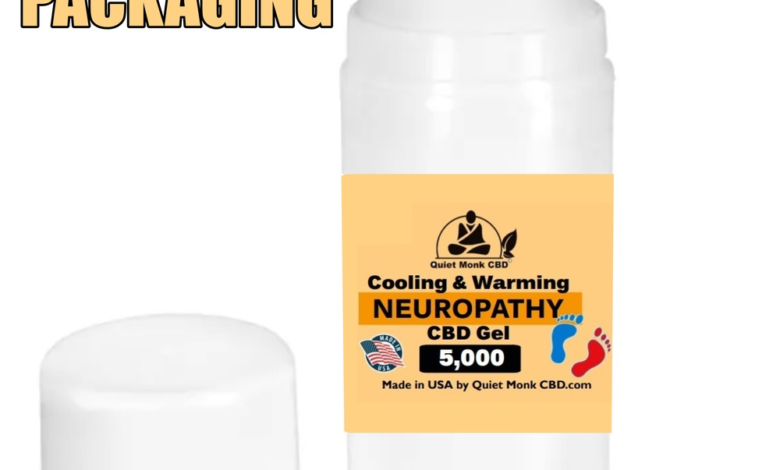
For example, simply seeing “5,000mg CBD” doesn’t provide the complete picture. That concentration means something very different in a small jar than it does in a much larger container.
Consumers should also determine whether a company’s advertised number refers specifically to CBD or combines CBD with other cannabinoids.
Clear labeling makes these comparisons considerably easier.
The Growing Role of CBG
CBD isn’t the only cannabinoid appearing in topical products.
CBG, short for cannabigerol, is increasingly being combined with CBD in creams and balms.
Interest in CBG has grown as consumers have become more familiar with cannabinoids beyond CBD and THC. Research into CBG remains relatively limited, however, and many of its potential applications require considerably more investigation.
Consumers interested in CBD + CBG products should therefore focus on transparent cannabinoid concentrations rather than exaggerated therapeutic claims.
Ideally, the label and accompanying laboratory report should make it clear exactly how much of each cannabinoid the product contains.
Cooling and Warming CBD Creams
Another important consideration is whether a topical includes ingredients that produce warming or cooling sensations.
Menthol is frequently used in cooling CBD products. Other formulations can create warmth, while some products are designed to provide both sensations.
This doesn’t necessarily make one product more effective than another. It changes the experience of using the topical.
Some consumers strongly prefer cooling creams, while others prefer warming products or formulas without either sensation.
Anyone with sensitive skin should examine the ingredient list carefully and consider performing a patch test before widespread application.
Third-Party Testing Matters
Independent laboratory testing should be one of the first things consumers look for when evaluating a CBD product.
A Certificate of Analysis, commonly known as a COA, can provide information about cannabinoid concentrations and other characteristics of the product.
This becomes particularly important as CBD concentrations increase.
If a company advertises a high-potency cream, consumers should have a reasonable way to verify that the product contains approximately the amount of CBD being advertised.
Transparent CBD companies should make these reports reasonably accessible rather than forcing customers to rely entirely on marketing claims.
Look Beyond the CBD Number
It’s easy to assume that the product containing the most CBD must automatically be the best option.
That’s an oversimplification.
The complete formulation determines what using the product is actually like.
Consumers should consider:
- CBD concentration
- Additional cannabinoids such as CBG
- Container size
- Warming or cooling ingredients
- Texture and absorption
- Complete ingredient disclosure
- Third-party laboratory testing
- Manufacturer transparency
Price per milligram can also be useful when comparing high-potency products, although price shouldn’t outweigh formulation quality or testing.
Be Skeptical of Medical Promises
CBD companies should be able to explain their products without promising that they can cure medical conditions.
That’s particularly important with neuropathy and other forms of nerve-related discomfort.
Neuropathy can be associated with numerous underlying conditions, and determining its cause may require medical testing and professional evaluation.
A CBD cream can be something an adult chooses to incorporate into a broader wellness routine, but it shouldn’t replace appropriate medical care.
Consumers should be particularly cautious of any CBD company promising guaranteed results.
Choosing the Right CBD Topical
There isn’t one CBD cream that’s going to be ideal for everyone.
Someone who prefers a strong cooling sensation may choose differently from someone who wants an unscented cream. Likewise, experienced CBD users interested in high-potency products may have different preferences from someone trying topical CBD for the first time.
The best approach is to evaluate the complete product rather than focusing on a single marketing claim.
Look at the concentration, cannabinoid profile, ingredients, laboratory results, formulation, and reputation of the company behind it.
As the CBD topical market continues to mature, consumers have more choices than ever. That makes understanding those differences increasingly important.
This article is for informational purposes only and is not intended as medical advice. CBD products are not intended to diagnose, treat, cure, or prevent disease. Anyone experiencing persistent, severe, or unexplained nerve symptoms should consult an appropriate healthcare professional.