
How to Evaluate Salvia Divinorum Listings: Species Identity, Product Form and Supplier Transparency

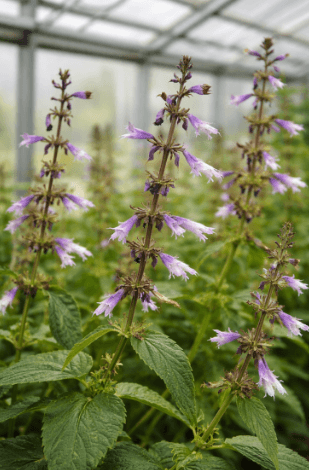
Search for Salvia divinorum online for the first time and the results can be surprisingly difficult to compare.
One listing may show a living plant. Another may offer a cutting. A third talks about dried leaves, while another uses terms such as extract, powder, tincture, 10x, or 40x. Some pages provide detailed botanical information. Others seem to assume the reader already knows exactly what every term means.
For someone new to the plant, that creates a simple problem: how do you tell what you are actually looking at?
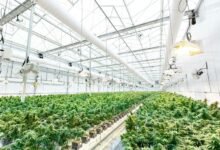

The answer is not to focus on the biggest claim, lowest price, or strongest-sounding product name. A useful listing should make the basics easy to understand: the correct species, the form being offered, how the product is described, what the photographs show, and who is standing behind the listing.
That matters especially with Salvia divinorum, because “Salvia” is the name of an enormous plant genus. A buyer who understands the botanical basics is in a much better position to compare listings without relying entirely on marketing language.
Start With the Full Botanical Name
The first thing I would check on any listing is surprisingly simple:
Does it clearly say Salvia divinorum?
Salvia divinorum is a distinct perennial species in the mint family, Lamiaceae. Its native range is associated with Oaxaca in southwestern Mexico.
That full two-part name matters.
The genus Salvia contains a very large number of species, including familiar ornamental and culinary sages. Searching for “Salvia plant” therefore does not automatically mean you are looking at Salvia divinorum.
A well-prepared listing should identify the species rather than relying on a vague word such as “sage” or “Salvia.”
For newcomers, this is one of the easiest ways to avoid confusion before even considering price, size, or product format.
Why “Salvia” Alone Is Not Specific Enough
Common names work well when everyone already knows which plant is being discussed.
Online commerce is different.
Imagine searching for “sage plant.” Depending on the website, you might find culinary sage, ornamental flowering sages, white sage, tropical species, hybrids, or dozens of unrelated listings.
The same problem occurs when a seller uses only “Salvia.”
That does not automatically mean the product is mislabeled. However, the more specialized the botanical, the more useful precise identification becomes.
The strongest listings usually give readers several pieces of information together:
- botanical name;
- product form;
- quantity or plant size;
- photographs;
- basic characteristics;
- availability;
- and relevant shipping information.
That combination gives the reader context instead of forcing them to interpret a product name in isolation.
Understand What Product Form Is Actually Being Offered
One of the biggest mistakes newcomers make is assuming that every Salvia divinorum listing represents essentially the same thing.
It does not.
Common commercial descriptions can include:
Living plants
Cuttings
Dried leaves
Powdered leaf
Tinctures
Extracts
These are separate product categories.
A living plant is not simply a larger cutting. Dried leaves are not an extract. Powder describes a physical form but does not automatically tell you whether the material is plain leaf or something more concentrated.
Good product pages make these distinctions obvious.
If you find yourself reading the entire page and still wondering what physical material would actually arrive, the listing has failed at one of its most basic jobs.
Living Plant vs Cutting: An Important Difference
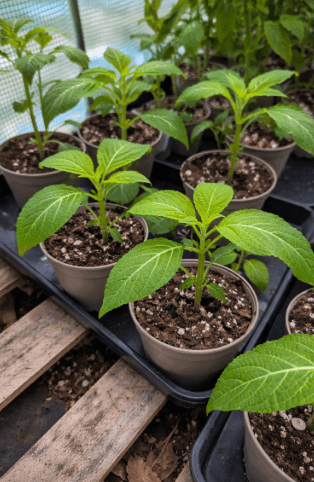
A living plant and a cutting may share the same species and even the same genetic lineage, but they are not at the same stage of development.
A cutting is vegetative plant material taken from a parent plant for propagation. Depending on how it is sold, it may be fresh, rooted, partially established, or further along in its development.
An established plant has already developed a more independent root system and above-ground growth.
For a beginner, the difference matters.
The listing should make clear whether you are looking at:
- an unrooted cutting;
- a rooted cutting;
- a young starter plant;
- or a more established specimen.
Photographs should support that description rather than leave the buyer guessing.
This is particularly relevant with Salvia divinorum because cultivated plants have historically been maintained extensively through vegetative propagation.
Dried Leaf, Powder and Extract Are Different Categories
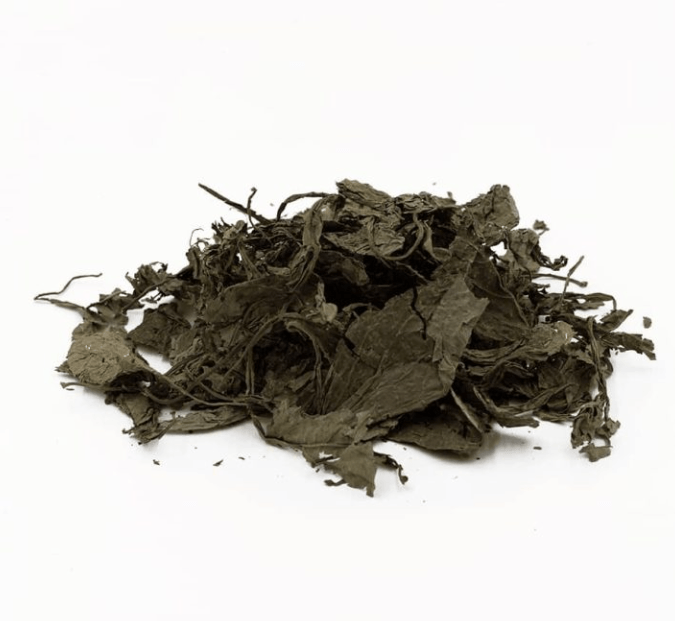
Processed botanical material creates another layer of terminology.
Dried leaf
This should mean recognisable dried plant material derived from the leaves.
Powder
Powder refers primarily to physical form. The key question is whether the listing identifies it clearly as powdered plain leaf or another preparation.
Extract
An extract represents concentrated botanical material rather than ordinary dried leaf.
Those distinctions may sound obvious to experienced readers, but they are not always obvious to someone encountering Salvia divinorum for the first time.
A strong product description should not require prior knowledge.
Instead of simply saying:
Premium Salvia — 20x
it is much more useful to explain what form the material takes and where that label fits within the seller’s product range.
Look Beyond Strength Numbers
Extract listings often use multiplier labels such as 5x, 10x, 20x, 40x, or higher.
These numbers provide a useful way to distinguish products within a range, but buyers should avoid treating the number alone as a complete product description.
The listing should still tell you:
- what species the material comes from;
- what physical form it takes;
- the amount supplied;
- how that product relates to other extract tiers;
- and what the seller means by its labeling system.
Larger numbers naturally attract attention.
Clear information is more useful.
If two listings both say “20x,” but one provides complete product details and the other provides nothing except a photograph and a price, those are not equally informative listings.
The same principle applies throughout botanical ecommerce: specific information is more valuable than impressive adjectives.
Product Photos Should Answer Questions
Product photography is not just decoration.
A useful image should help confirm what the description says.
For living plants, photographs can show:
- leaf shape;
- stem development;
- overall size;
- condition;
- and whether the listing represents a cutting or an established plant.
For dried material, photographs can help communicate:
- physical form;
- texture;
- packaging;
- approximate presentation;
- and how one product differs visually from another.
Stock imagery is not automatically useless, especially when sellers maintain changing inventory. However, a website that relies entirely on generic botanical photography while providing little written detail gives a new buyer very little information to work with.
The description and images should support each other.
Good Listings Explain Quantity Clearly
One detail that deserves more attention is quantity.
Terms such as “one pack,” “one bottle,” or “one plant” sound straightforward until you start comparing products.
For processed botanicals, the listing should specify weight, volume, or another meaningful quantity.
For plants, useful information might include approximate size, development stage, or whether the plant is rooted.
For tinctures, bottle volume matters.
For extracts, both product weight and labeled concentration tier may matter.
Clear quantity information makes comparison easier and reduces misunderstandings after an order is placed.
It also tells you something about the seller. Businesses that take the time to standardize their product information generally make it easier for customers to know what they are ordering.
Supplier Transparency Matters More Than Marketing Language
It is easy to make an online product sound impressive.
Words such as:
premium
rare
strong
authentic
highest quality
are everywhere.
The problem is that these words do not tell you much by themselves.
Transparency is more useful.
When researching where to buy salvia divinorum, look for a supplier that provides enough information for you to understand the species and compare the available forms rather than relying only on promotional claims.
Useful transparency can include:
- full botanical identification;
- clear product categories;
- meaningful descriptions;
- straightforward pricing;
- quantity or size information;
- shipping information;
- contact details;
- ordering policies;
- and clear explanations when products differ from one another.
None of these things individually guarantees a perfect transaction.
Together, however, they give the buyer significantly more information than a product page consisting of a title, price, and checkout button.
Check Shipping Information Before Ordering
Living botanical material presents different shipping considerations from dried products.
That alone makes shipping information worth checking before placing an order.
For plants and cuttings, transit time can matter because the material is alive.
For processed botanical products, packaging and product protection become more important.
A useful shipping page should help answer practical questions such as:
- Where does the seller ship?
- Are some products limited to particular destinations?
- When are orders normally processed?
- Is tracking available?
- How are shipping problems handled?
- Are living plants treated differently from processed products?
You should be able to find most of this information without contacting the seller for every basic question.
Why Legal Information Should Be Treated Carefully
The legal status of Salvia divinorum is not uniform everywhere.
That makes broad statements such as “Salvia is legal” or “Salvia is illegal” unreliable without specifying a jurisdiction.
Rules can differ between countries and, in some places, between states or other local jurisdictions.
They can also change.
A responsible buyer should therefore check the current rules that apply to the destination where the product would be received.
Likewise, a responsible website should avoid presenting one broad legal statement as though it automatically applies to every visitor.
This is another area where transparency beats certainty.
A seller acknowledging that regulations vary is more useful than one making sweeping claims without context.
Red Flags Worth Noticing
No single website characteristic proves that a supplier is unreliable, but some combinations deserve additional caution.
No botanical identification
If the listing never clearly identifies Salvia divinorum, you are already missing essential information.
Unclear product form
A buyer should not need to guess whether a listing is for leaf, powder, extract, cutting, or plant.
No meaningful quantity information
A price without an understandable amount makes comparison difficult.
Exaggerated claims with little factual detail
The more a product page relies on superlatives, the more important it becomes to look for actual specifications.
Every product uses the same generic image
This makes it harder to understand meaningful differences between listings.
No contact or policy information
A serious store should give customers some way to understand the ordering process and what happens if something goes wrong.
Contradictory descriptions
If the product title, photograph, quantity, and description appear to refer to different things, do not assume the buyer is supposed to work out which one is correct.
A Practical Checklist for Comparing Listings
Before choosing between two Salvia divinorum listings, ask:
1. Is the full species name clearly stated?
Look for Salvia divinorum, not simply “Salvia.”
2. What physical form am I looking at?
Plant, cutting, dried leaf, powder, tincture, or extract?
3. Is the quantity clear?
Weight, bottle volume, plant size, or number of cuttings should be understandable.
4. Do the photographs match the description?
Images should add information rather than confusion.
5. Are extract labels explained?
A multiplier should not be the entire product description.
6. Can I understand the shipping process?
Especially important for living material.
7. Does the website explain its policies?
Ordering, shipping, and contact information should not be hidden.
8. Is the seller making realistic claims?
Factual descriptions are more useful than exaggerated promises.
9. Have I checked the law where I live?
Do this before placing an order, not after.
This checklist takes only a few minutes, but it makes online comparison much easier.
Frequently Asked Questions
Is Salvia divinorum the same as ordinary sage?
No. Salvia divinorum belongs to the same large genus as many plants commonly called sages, but it is a distinct species. That is why the complete botanical name matters when researching listings.
Is a Salvia divinorum cutting the same as a plant?
Not exactly. A cutting is vegetative propagation material derived from a parent plant. An established plant has progressed further in root and shoot development.
Are dried Salvia leaves and extracts the same thing?
No. Plain dried leaves represent dried plant material, while an extract involves a more concentrated preparation.
Does a higher extract number tell me everything about the product?
No. Multiplier labels help categorize extracts, but buyers should also look at the product form, quantity, botanical source, and how the seller explains its labeling system.
What information should a Salvia listing provide?
At minimum, useful listings should make the botanical species, product type, quantity, pricing, and basic fulfillment information easy to understand.
Why does supplier transparency matter?
Because many people researching Salvia divinorum are unfamiliar with the terminology. Clear descriptions reduce confusion and allow buyers to compare products based on actual information rather than marketing language.
Final Thoughts
The hardest part of researching Salvia divinorum online is not necessarily finding listings. It is understanding what those listings mean.
Once you know what to look for, the process becomes much simpler.
Start with the full botanical name.
Identify the product form.
Check the quantity.
Study the photographs.
Read how the seller describes plants, cuttings, leaves, powders, tinctures, and extracts.
Then look beyond the product itself and evaluate the information surrounding it: shipping details, policies, contact options, and realistic explanations.
For a plant that remains unfamiliar to many people, good education is part of good ecommerce.
The best listing should not merely tell you what something costs. It should help you understand what you are looking at before you ever reach the checkout page.

