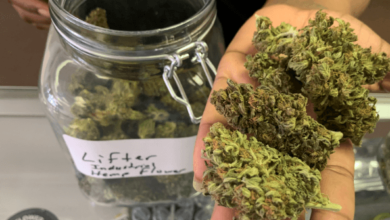
The world of cannabis genetics continues to evolve as breeders explore new approaches to genetic development and selection. Among the newer categories attracting attention are triploid seeds, which represent a distinct area of modern cannabis breeding. Prime Strains provides access to diverse cannabis genetics for customers interested in discovering emerging varieties and breeding developments. With Prime Strains, customers can explore triploid seeds alongside established genetic categories and learn about the characteristics that distinguish different breeding approaches. Prime Strains brings together opportunities to research modern genetics, breeder backgrounds, and product information while helping customers better understand this developing area of the cannabis seed market.
What Are Triploid Seeds?
Triploid seeds are associated with plants containing three sets of chromosomes rather than the two chromosome sets typically found in diploid organisms. In cannabis breeding, triploid genetics have attracted interest because breeders are investigating how altered chromosome numbers may influence particular plant characteristics.
The development of triploid seeds involves specialized breeding and genetic techniques. Rather than representing simply another variety name, triploid genetics relate to the underlying chromosome structure of a plant. This makes them an interesting subject for people researching advances in cannabis breeding.


Customers exploring triploid seeds should review the specific information supplied by breeders because characteristics can differ between genetic lines. Breeding methods, parent genetics, and selection objectives all contribute to the development of individual varieties.
Understanding Polyploid Cannabis Genetics
Polyploidy refers broadly to the presence of more than two complete sets of chromosomes. Triploidy is one form of polyploidy and involves three chromosome sets.
In agricultural and botanical research, polyploid genetics have been studied across numerous plant species. Cannabis breeders have also explored chromosome manipulation as part of efforts to investigate new genetic characteristics.
Prime Strains provides access to modern cannabis genetics, giving customers an opportunity to learn more about triploid breeding and other developments within the seed industry.
Why Triploid Genetics Are Receiving Attention
Interest in triploid seeds has increased as breeders and cannabis enthusiasts explore new approaches to genetic development. Triploid genetics are particularly interesting because their chromosome configuration differs from conventional diploid cannabis genetics.
Research into triploid plants can involve characteristics related to fertility, plant development, and genetic stability. However, individual outcomes depend on the genetics and breeding methods involved, so broad claims should not automatically be applied to every triploid variety.
Prime Strains helps customers explore available genetic options while providing an opportunity to compare different varieties and their associated breeder information.
The Science Behind Triploid Seeds
Understanding triploid genetics requires a basic understanding of chromosomes. Chromosomes carry genetic information that influences inherited biological characteristics. Most cannabis plants are diploid, meaning their cells generally contain two sets of chromosomes.
Triploid plants contain three chromosome sets. This difference can affect biological processes, particularly those associated with reproduction and cell division.
Breeders can use specialized techniques to create and select plants with altered chromosome numbers. The resulting genetics can then be evaluated for characteristics that breeders consider desirable.
Triploidy and Plant Breeding
Triploidy occurs naturally in some plant species, while breeders can also create triploid plants through controlled genetic techniques. In commercial plant breeding, polyploidy has been investigated for many years across different crops.
The same general genetic principles help explain why triploid seeds are attracting attention within cannabis breeding. Breeders are interested in understanding how chromosome number may influence plant characteristics and reproductive behavior.
Prime Strains provides customers with a place to explore emerging genetics while learning about the terminology used in modern breeding.
Exploring Genetic Lineage
Genetic lineage remains important when evaluating any cannabis seed variety. A product described as triploid can still have a unique genetic background depending on the parent plants selected by the breeder.
When researching triploid seeds, customers can examine available lineage information, breeder descriptions, and stated characteristics. This can provide context about how a particular variety was developed.
Different breeders may use different parent genetics and selection processes. Consequently, two triploid varieties should not automatically be assumed to have identical characteristics.
Prime Strains offers access to different cannabis genetics, allowing customers to investigate available lineage information and compare individual varieties.
The Importance of Breeder Information
Breeder documentation can help customers understand what distinguishes one genetic line from another. Information may include parent genetics, breeding objectives, expected characteristics, and other relevant specifications.
When considering triploid seeds, detailed breeder information is particularly useful because triploid genetics represent a specialized category within the broader cannabis seed market.
Prime Strains makes it possible to explore available genetic information and learn more about the breeding background associated with different selections.
Characteristics Associated With Triploid Genetics
Triploid plants can exhibit characteristics that differ from conventional diploid plants, although the specific traits depend on the genetic line and breeding process.
Researchers and breeders may investigate areas such as plant development, morphology, reproductive behavior, and genetic stability. These characteristics are subjects of ongoing interest rather than guarantees that apply universally to every triploid variety.
Customers researching triploid seeds should therefore focus on documented information associated with the specific variety rather than assuming that all triploid plants behave in exactly the same way.
Triploid Seeds and Genetic Diversity
Genetic diversity is an important component of modern cannabis breeding. Breeders work with different parent plants to create genetic combinations and investigate particular characteristics.
Triploid seeds represent one part of this broader landscape. Their distinctive chromosome structure gives breeders another area to investigate when developing new cannabis genetics.
Prime Strains provides customers with opportunities to explore genetic diversity across different categories. This can help customers understand how emerging breeding techniques fit into the larger cannabis genetics market.
Comparing Triploid and Conventional Genetics
One of the main distinctions between triploid and conventional cannabis genetics is chromosome number. Conventional cannabis plants are generally diploid, whereas triploid plants contain three chromosome sets.
This difference can influence reproductive biology and other plant characteristics. However, the practical characteristics of an individual variety depend on its complete genetic background and environmental conditions.
When comparing triploid seeds with conventional genetics, customers should examine the breeder’s information for each specific variety instead of relying solely on the general category.
Modern Cannabis Breeding Developments
Cannabis breeding has progressed from traditional selection toward increasingly sophisticated genetic techniques. Breeders now investigate a variety of genetic approaches designed to understand and develop specific characteristics.
Triploid genetics form part of this broader development. Their increasing visibility demonstrates the continued interest in genetic diversity and breeding innovation.
Prime Strains gives customers an opportunity to discover modern cannabis genetics and learn more about developing categories within the industry.
Quality and Seed Selection
Quality information is an important consideration when researching specialized cannabis genetics. Customers benefit from clearly identified varieties, reliable breeder descriptions, and information about genetic backgrounds.
When comparing triploid seeds, customers can look at breeder information, genetic lineage, stated characteristics, and available documentation. These details can make it easier to distinguish between individual products.
Prime Strains provides access to different genetic options and encourages customers to research the characteristics associated with individual varieties before making decisions.
Understanding Product Descriptions
Product descriptions can contain specialized terminology related to chromosomes, genetics, breeding, flowering, cannabinoid characteristics, and plant development.
Understanding this terminology can help customers evaluate triploid seeds more effectively. Rather than treating “triploid” as a guarantee of a particular outcome, customers should view it as a description of the genetic structure associated with the variety.
Prime Strains provides customers with opportunities to explore this terminology and compare modern genetic selections.
Exploring Triploid Genetics at Prime Strains
Prime Strains offers customers access to cannabis genetics representing different breeding categories and genetic approaches. For people interested in triploid seeds, the collection provides an opportunity to investigate emerging genetic developments and compare available information.
Customers can explore triploid seeds according to breeder details, genetic background, and listed characteristics. Prime Strains also provides a broader context by making it possible to research triploid genetics alongside other cannabis seed categories.
For customers interested in the future of cannabis breeding, Prime Strains offers a useful starting point for discovering how genetic innovation is expanding the range of available seed varieties.
Responsible Research and Legal Considerations
Cannabis laws differ significantly between jurisdictions. Regulations concerning cannabis seeds, possession, cultivation, and related activities may vary by country, state, province, or region.
Before purchasing, possessing, or cultivating cannabis genetics, customers should verify the laws applicable to their location using current and reliable legal information.
Prime Strains provides information about cannabis genetics, while customers are responsible for understanding and complying with the laws and regulations that apply to them.
Frequently Asked Questions
1. What are triploid seeds?
Triploid seeds are associated with cannabis genetics containing three sets of chromosomes rather than the two sets generally found in diploid plants. They are part of an emerging area of specialized cannabis breeding.
2. How are triploid genetics different from conventional genetics?
The primary biological distinction is chromosome number. Triploid plants have three chromosome sets, while conventional cannabis plants are generally diploid with two sets.
3. Why are breeders interested in triploid seeds?
Breeders are interested in triploid genetics because altered chromosome numbers can influence biological and reproductive characteristics. Specific traits vary according to the genetic line and breeding process.
4. What should I consider when researching triploid seeds?
Review the breeder, genetic lineage, breeding information, stated characteristics, and available product documentation. It is important to evaluate individual varieties rather than assuming all triploid genetics have identical traits.
5. Where can I explore triploid cannabis genetics?
Prime Strains provides access to a selection of modern cannabis genetics, including triploid-focused options. Customers can review available information and explore different genetic backgrounds.
Conclusion
Triploid seeds represent an emerging and technically interesting area of cannabis genetics. Their three-set chromosome structure distinguishes them from conventional diploid cannabis plants and gives breeders another avenue for investigating genetic characteristics and reproductive biology. Prime Strains provides customers with opportunities to explore triploid seeds alongside other modern cannabis genetics and research the information associated with individual varieties. By examining breeder documentation, genetic lineage, and stated characteristics while also considering applicable laws, customers can develop a better understanding of triploid genetics and their growing role in the evolving cannabis seed market.