Most people assume old cannabis simply loses potency, like a soda going flat. The truth is more interesting and more useful to know. Aged flower does not just fade, it changes into something chemically different from what the grower harvested. The high changes, the flavor changes, and the way it burns changes. Understanding why helps explain a lot of disappointing purchases that had nothing to do with the strain and everything to do with time.
THC Doesn’t Disappear, It Becomes CBN
The main event in aging cannabis is oxidation. When THC is exposed to oxygen, light, and heat over months, it gradually converts into a different cannabinoid called CBN, or cannabinol. CBN is only mildly intoxicating on its own, but it is strongly associated with sedative, heavy-bodied effects.
This is why old flower does not just feel weaker, it feels different. That eighth from last year does not deliver a lighter version of the original high. It delivers a sleepier, foggier one, because part of the THC you paid for has quietly turned into something else. Research on stored cannabis suggests THC content can decline meaningfully within the first year and continues to drop from there, with the loss accelerating in poor storage conditions.

Some consumers deliberately seek out CBN for nighttime use, and that is a legitimate choice. The problem is when you buy flower expecting one experience and time has already converted it into another.
See also: How to Safely Order Bongs Online: Payment, Packaging & Legality Tips
Terpenes Leave First, and They Take the Experience With Them
Terpenes, the aromatic compounds that give each strain its character, are far more fragile than cannabinoids. The lightest ones, like myrcene and limonene, begin evaporating almost immediately after harvest and packaging. They are also the compounds most responsible for how a strain smells, tastes, and, according to a growing body of research on the entourage effect, how it feels.
This is why aged flower often smells like hay or like nothing at all. The cannabinoids may still be largely intact, but the terpene profile that made the strain distinctive has literally evaporated through the packaging. A citrusy sativa without its limonene is just generic flower with a fancy name on the label.
Moisture Loss Changes How It Burns
Fresh flower holds moisture within an ideal range that keeps the smoke smooth and the burn even. As flower ages, especially in thin mylar bags, that moisture migrates out. Overly dry flower crumbles into dust, burns hot and fast, and produces harsh smoke that hits the throat harder. None of that is a strain characteristic. It is a storage timeline showing itself.
How Fast Does This Actually Happen?Weeks, Not Years
Terpene loss begins within weeks of packaging, particularly in permeable or poorly sealed containers. Noticeable aroma decline can show up in a month or two on a shelf.
Months
Cannabinoid conversion is slower but steady. Flower stored in typical retail packaging for six months to a year will show measurable THC decline and rising CBN, along with significant moisture loss.
What Slows It Down
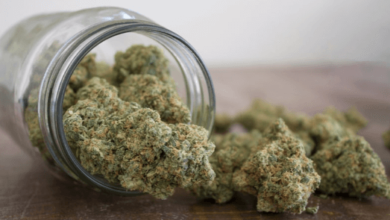
Cool temperatures, darkness, airtight glass, and stable humidity all slow the clock dramatically. This is exactly how well-run dispensaries store bulk flower, and it is why the same strain can be a completely different experience depending on where and how it waited for you.
What This Means When You’re Buying
The single most useful habit is checking dates. Look for a harvest date or package date on the label, and treat anything packaged more than a few months ago with realistic expectations. Better yet, buy from retailers whose model minimizes shelf time. Some Massachusetts dispensaries have built their entire operation around this problem by refusing to prepackage flower at all, keeping it in controlled bulk storage and only packaging at the moment of sale, so the aging clock barely gets to run before the product reaches your jar at home.
At home, finish what you started. An opened container ages fastest of all, since every opening resets the oxygen exposure. Airtight glass in a cool, dark cabinet buys you time. The freezer does not; it makes trichomes brittle and prone to snapping off.
The Takeaway
Cannabis is an agricultural product with a shelf life, not a stable commodity. Time converts THC to sedating CBN, evaporates the terpenes that define a strain, and dries the flower into something harsher than the grower intended. If you have ever wondered why the same strain hit differently on two purchases, the age of the flower is the most likely answer. Check the dates, store it well, and when you can, buy from a dispensary near you that treats freshness as part of the product, not an afterthought.