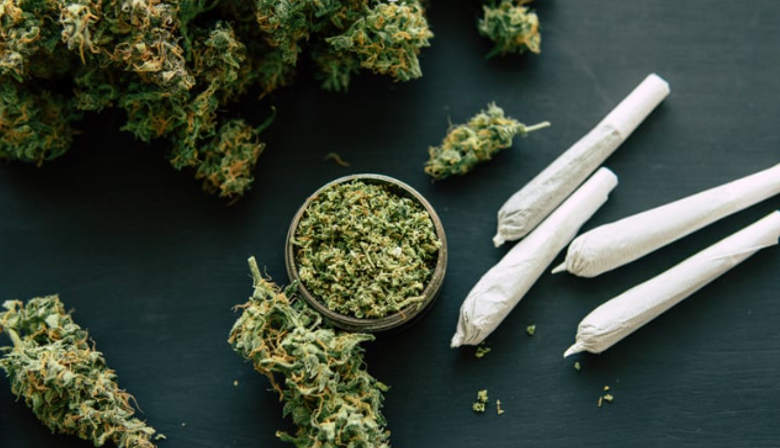
Anxiety disorders affect millions, often disrupting day-to-day function and long-term mental wellness. While standard pharmaceutical treatments remain common, many patients experience side effects or develop dependency. This has led to growing interest in regulated cannabinoid therapies. In particular, medical cannabis for anxiety in Annapolis has gained traction for its targeted, professionally monitored protocols that focus on calming the nervous system without cognitive impairment.
How Cannabis Interacts with Anxiety Mechanisms
The endocannabinoid system is instrumental in regulating mood, stress, and neural communication. Cannabinoids derived from cannabis, notably CBD, can restore balance when this system becomes dysregulated due to chronic anxiety.
Unlike THC, which may worsen symptoms if misused, CBD demonstrates anxiolytic effects, making it suitable for long-term clinical application. In fact, high CBD and low THC cannabis strains may be helpful to people with anxiety and OCD, especially when administered with professional supervision and dosage control.


CBD: THC Ratios That Matter
Success in cannabis-based anxiety management often depends on precise cannabinoid ratios. These are not arbitrary; they’re evidence-driven formulations crafted for specific psychological responses.
- 20:1 and 10:1 CBD to THC – Commonly used to reduce overactive thought patterns and prevent THC-related agitation.
- 1:1 ratios – Occasionally used when anxiety overlaps with chronic pain or sleep issues and sedation is medically appropriate.
These ratios must be professionally selected and adjusted, not guessed or generalized. The wrong ratio, even at a low dose, can counteract the therapeutic goal.
Personalized Cannabis Therapy
Effective treatment is never one-size-fits-all. Licensed providers assess the full picture, medical history, symptom severity, coexisting conditions, and treatment responsiveness before developing a cannabinoid protocol. They also determine the optimal delivery method: oral tinctures for sustained relief, capsules for standardized dosing, or controlled vaporization for acute symptom episodes.
These decisions aren’t made casually. Clinical oversight ensures that the patient’s neurological sensitivity is respected, the treatment remains effective, and the approach evolves with progress.
Risk Mitigation Through Medical Oversight
Cannabis misuse can heighten anxiety, especially with unregulated, THC-heavy products. This is why expert oversight is critical. In clinical settings, patients receive lab-tested formulations, consistent ratios, and clear instructions that minimize variability and risk.
Furthermore, professionals monitor for signs of tolerance or diminished effect, allowing proactive adjustments. This structured care model significantly reduces treatment failure and reinforces long-term symptom control.
Conclusion
Medicinal cannabis, when prescribed, monitored, and professionally dosed, is a legitimate and strategic intervention for anxiety disorders. It is not just about using cannabis; it’s about using the right formulation, in the right ratio, with the right oversight. This approach bridges scientific insight and psychiatric care, giving patients a path toward long-term balance without the trade-offs of conventional medications.
Patients benefit not only from the therapeutic properties of cannabinoids but from the rigor of a system built on clinical responsibility and data-driven practices. What sets effective treatment apart is not access, but guidance, a controlled process designed to ensure that every compound introduced into the body serves a defined therapeutic purpose. When handled correctly, this pathway offers stability, clarity, and a sustainable way forward for those seeking meaningful relief.